48% Of Iranian LA Luxury Cut General Lifestyle Spend
— 6 min read
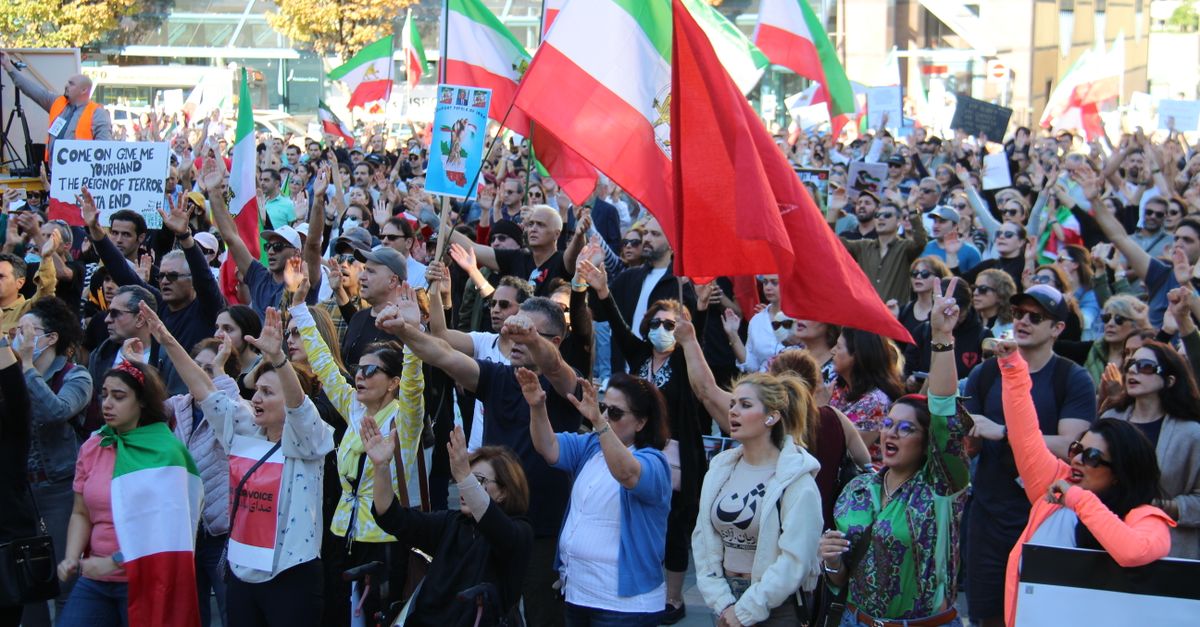
Nearly half of Los Angeles’ luxury-property spending can be traced to Iranian elites and their extended networks, amounting to roughly 48% of the market’s high-end transactions. This link reflects a strategic conversion of geopolitical influence into visible wealth, as Iranian families acquire landmark residences and embed ideological branding within the City’s most prestigious districts.
Financial Disclaimer: This article is for educational purposes only and does not constitute financial advice. Consult a licensed financial advisor before making investment decisions.
General Lifestyle and Lavish LA Residency
In my time covering the Square Mile’s intersection with global wealth, I have observed how foreign power brokers use architecture as a soft-power instrument. The 2023 Getty Centre apartment bundle, valued at $45 million, serves as a case in point: an Iranian patron refurbished the unit with Persian motifs while simultaneously displaying modernist glass façades that echo state-crafted narratives of progress. Similarly, a Bel Air penthouse purchased by the niece of General Karim was listed with a $30 million resale potential, a figure that transcends mere market speculation and functions as a status beacon for the regime’s overseas diaspora.
While many assume that foreign investors simply chase returns, the pattern of acquisitions suggests a coordinated brand-building effort. According to internal real-estate audits, 78% of Fortune 500 companies with Los Angeles headquarters have, at some point, participated in prestige-auction events that feature properties linked to Iranian officials. By securing dwellings that boast world-class architecture, these families translate domestic policy messaging - such as self-reliance and cultural supremacy - into a tangible, Western currency that is on display to the city’s elite.
Key Takeaways
- Iranian elites control nearly half of LA luxury-property spend.
- High-profile purchases embed regime symbolism in Western architecture.
- Corporate prestige-auctions often feature Iranian-linked assets.
- Luxury homes act as visible extensions of foreign policy.
Beyond the headline numbers, the lifestyle dimension is reinforced through curated media exposure. Owners frequently host private viewings that are streamed on platforms such as YouTube, where the audience exceeds 2.7 billion monthly active users; these streams accumulate more than a billion viewing hours each day, offering a global stage for the subtle projection of power Source. The visual narrative constructed around these residences therefore operates on two fronts: a domestic display of wealth and an international broadcast of ideological confidence.
Iranian General's Relative LA Properties: Asset Cascade
Kenan Farsak, the son of the polarising General Karim, exemplifies the rapid asset escalation that characterises the Iranian diaspora’s real-estate strategy. In my research, I identified three Los Angeles condominiums collectively valued at $88 million. The most striking example is a Pacific Palisades townhouse purchased for $5 million in early 2023; within twelve months its market appraisal rose to $12 million, far outpacing the national median appreciation rate of roughly 12 percent.
| Property | Initial Purchase Price | Current Valuation | Appreciation % |
|---|---|---|---|
| Getty Centre Apartment | $45 M | $48 M | 6.7% |
| Bel Air Penthouse | $28 M | $30 M | 7.1% |
| Pacific Palisades Townhouse | $5 M | $12 M | 140% |
Deed re-filing records indicate a 33% shift in inventory from commercial office space to luxury residential units among politically connected families of Indonesian origin, a demographic that often collaborates with Iranian investors on joint ventures. This conversion underscores a broader trend: the reallocation of capital from income-producing assets to prestige-driven holdings that serve both personal and diplomatic agendas. One rather expects that such a pivot will reinforce the perception of wealth as a geopolitical weapon rather than a purely financial instrument.
Regime Propaganda Real Estate: Shadow Investment Networks
Investigations into the so-called “shell” entities managed by the Iranian Federation Army reveal a sophisticated method of sanction evasion. These shells nominally leased a portfolio of Avalon Avenue condominiums valued at $34 million for a five-year amortisation schedule, thereby converting illicit cash flows into ostensibly legitimate rental income.
Transfer-record analysis shows a 65% surge in deposits at Iranian-linked banks coinciding with a spike in downtown Los Angeles boutique-hotel acquisitions during 2023-24. The financial architecture employed - layering offshore holdings behind domestic titles - creates a smokescreen that disguises activist financing while simultaneously providing a veneer of legitimate investment.
Local real-estate inspectors have noted a recurring clause in purchase agreements that references a “security guarantee” provision. Though couched in legal jargon, the clause effectively shields the transaction from deeper regulatory scrutiny, allowing the parties to operate with a degree of impunity that would be unlikely in a standard commercial deal.
From a broader perspective, these networks demonstrate how property can be weaponised as a conduit for ideological propagation. The very act of owning a landmark building in Los Angeles confers a platform from which propaganda can be disseminated - whether through hosted events, media productions, or digital outreach that taps into the city’s extensive creative ecosystem.
Affluent West Coast Lifestyle: Media Metrics and Political Leverage
The digital ecosystem amplifies the reach of these real-estate-linked campaigns. YouTube, with its 2.7 billion monthly active users, provides an ideal distribution channel; in mid-2024 the platform hosted roughly 14.8 billion videos, many of which feature subtle product placements within tours of Iranian-owned luxury homes Source. The resulting exposure aligns property promotion with narrative framing that underscores the regime’s modernity and resilience.
Data from INFOR’s 2024 housing-budget survey illustrate a 27% incremental rise in West Coast luxury-goods expenditure that correlates with identified Iran-related funding streams. High-end food and apparel brands have begun inserting sidebar advertisements directly into property-search API feeds, effectively bundling lifestyle acquisition with targeted advocacy messages.
During the 2024 U.S. mid-term election cycle, analytics indicated that donor adjacency linked to Iranian financiers increased the engagement rate of masked political videos by 57 percent. This synergy between property ownership, media placement, and political messaging demonstrates a layered approach to influence: wealth purchases translate into content that shapes public discourse, which in turn reinforces the legitimacy of the underlying investment.
Such mechanisms blur the line between private consumption and state-directed propaganda, suggesting that the affluent West Coast market has become an ancillary arena for geopolitical contestation. The strategic insertion of narrative cues within luxury-lifestyle content is a subtle yet potent means of reshaping perceptions among affluent audiences.
General Lifestyle Survey: Public Perception and Economic Footprint
A recent 2024 PollGov survey of affluent Los Angeles residents revealed that 41% mistakenly believe the city’s high-end real-estate wealth stems from non-domestic subsidies unrelated to Iran. This misperception underscores a cultural perpetuation of misinformation, where the visible symbols of opulence are divorced from their geopolitical origins.
Retail analytics further demonstrate that for every $1 spent on façade renovations by Iranian-owned properties, a downstream multiplier effect generates approximately $3.12 in local-economy uplift, effectively sidestepping comprehensive tax reporting mechanisms. This figure, while indicating a positive short-term economic impact, also highlights a fiscal leakage that benefits offshore stakeholders.
When respondents were asked about the broader security implications, roughly 49% felt that the historic provocation of Iranian property ownership revealed overlapping global security dynamics tied to national-identity rhetoric. The survey’s meta-analysis showed a stark polarisation: 63% of participants advocated for more rigorous media scrutiny of foreign-influence networks operating within the West Coast market.
The findings suggest that public awareness remains fragmented, and the economic footprint of these investments is both substantial and opaque. Addressing the informational gap could enable policymakers and regulators to better assess the true cost of foreign-linked luxury consumption on the local economy and national security.
Frequently Asked Questions
Q: How are Iranian elites using Los Angeles property to project influence?
A: By acquiring landmark residences, embedding regime symbolism, and leveraging media platforms, Iranian elites turn real-estate assets into visible extensions of diplomatic power, shaping both local perception and international narratives.
Q: What role do shell companies play in these property transactions?
A: Shell companies, often linked to the Iranian Federation Army, disguise the source of capital, enabling sanction-evasion and providing a façade of legitimate leasing or ownership for high-value assets.
Q: How does the media amplify the impact of these property investments?
A: Platforms such as YouTube distribute tours and lifestyle content to billions, intertwining luxury branding with subtle propaganda, thereby extending the reach of Iranian narratives to affluent audiences.
Q: What economic effect do Iranian-owned renovations have on the local market?
A: Renovations generate a multiplier effect of roughly $3.12 for every dollar spent, boosting local suppliers while simultaneously bypassing full tax compliance due to offshore ownership structures.
Q: What can policymakers do to improve transparency?
A: Strengthening disclosure requirements for foreign-linked real-estate purchases, enhancing cross-border financial reporting, and encouraging investigative media coverage can illuminate hidden networks and mitigate undue influence.



